We’re ®Trust Abortion Pills your safe space for reproductive and sexual care, like FDA-approved abortion pills, from the comfort and convenience of your phone.
If you’re considering abortion, it’s important to start with accurate medical information. Every procedure depends on how far along you are, and only an ultrasound can confirm that. Before making a decision, take time to understand what each step involves and how it could affect your health and future. You deserve a confidential place to ask questions and process your thoughts.
Step One:
Verify your pregnancy with a digital clear blue pregnancy testing
Step Two:
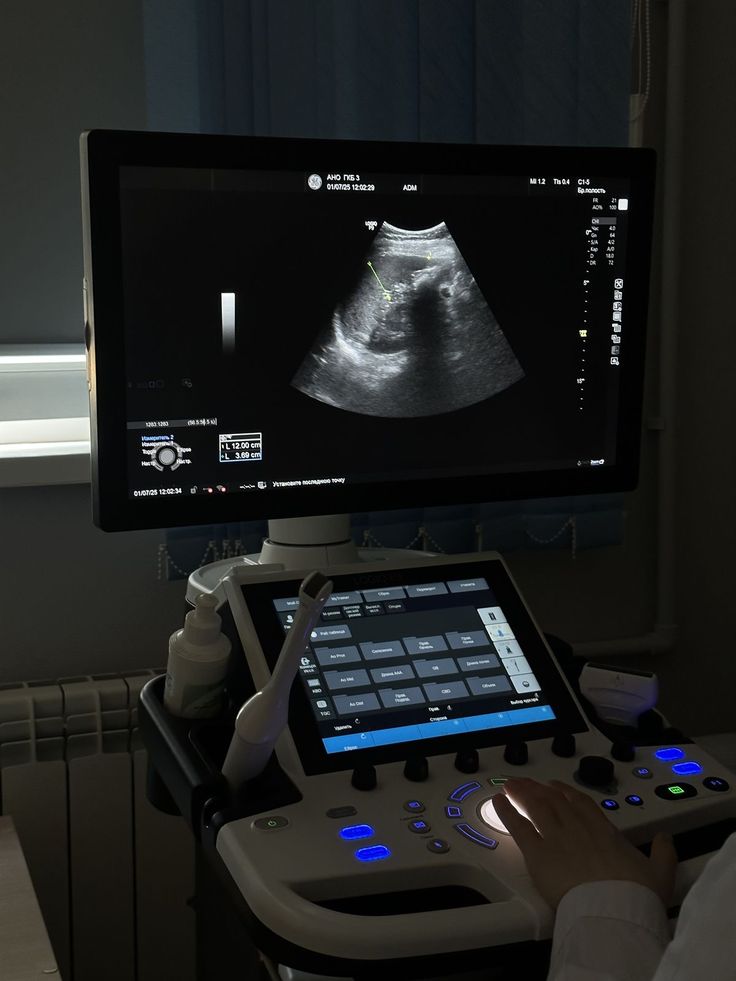
Confirm your pregnancy and gestational age with a Scan | ultrasound
Getting abortion pills online through telehealth
Telehealth is a term for health care that you can get while being in a different physical location than your health care provider. Getting abortion care via telehealth means you’ll get abortion pills mailed to you, or you might pick the pills up from a specific location. The abortion pill is generally available earlier in pregnancy. Each provider will have their own rules about how far along in pregnancy they’ll offer it–some will offer it through around 14 weeks of pregnancy and others will stop offering it much earlier in pregnancy.
Abortion — taking medication or having a medical procedure that ends the pregnancy.
Adoption — giving birth and placing your child with another person or family permanently.
What are alternative options to abortion?
Abortion options primarily include medication abortion (pills) for early pregnancy and procedural (surgical) abortions for later, both of which are safe and effective. Options are generally categorized by gestation and method: medical abortion (up to 10-16 weeks) using pills to end pregnancy, and in-clinic procedures, such as vacuum aspiration (first trimester) or dilation and evacuation (D&E) for later, second-trimester pregnancies.
Types of abortion
An abortion is different from a miscarriage, which is the loss of your baby before 24 weeks, without medical intervention.
There are 2 types of abortion:
medical, which uses medication
surgical, which involves a small operation
Before undergoing any type of abortion, you’ll be asked to give consent to proceed.
Medical abortion
This involves you taking 2 sets of tablets at different times. You may be able to take 1 or both sets of tablets at home, depending on your circumstances. When you’ve your initial assessment appointment, you’ll be advised what is appropriate for you.
You may be able to take 1 or both types of medications at home. This is called Early Medical Abortion at Home (EMAH). If this option is right for you, you may be asked to collect your medication pack from your local health board abortion service. You can also ask the service can deliver it to you if you prefer.
You’ll be given information on how and when to take your tablets. Make sure you understand the instructions and follow them.
Surgical abortion
You may be offered the option of a surgical abortion. This can be done under:
general anaesthetic (where you are asleep)
sedation (where you are awake, but drowsy)
local anaesthetic (where the cervix involved is numbed by injection, but you’re fully awake)
Surgical abortions involve removing the pregnancy through the cervix using gentle suction. The procedure usually takes about 10 minutes.
After an abortion
If you’ve had an abortion, whether surgical or medical, you’ll be given a pregnancy test. You should take this 14 or 21 days after the procedure to check that it’s been successful.
Abortion doesn’t usually affect a woman’s chances of becoming pregnant and having normal pregnancies in the future. If you develop a womb infection, there’s a very small risk to your fertility and future pregnancies. However, most infections are treated before they’re a risk.
Powered By TRUST ABORTION PILLS
HiHello 👋, welcome to Trust Abortion Pills +27687779809